
Introduction: Performance Begins with Intelligent Recovery
Most people measure progress by how hard they train. Few measure it by how well they recover. In reality, recovery determines whether your body grows stronger or slowly breaks down. This is where Sports Massage Therapy plays a defining role.
Athletes, runners, gym enthusiasts and fitness-focused professionals across Mumbai are increasingly recognising that structured recovery is not optional. It directly influences strength, flexibility and endurance. When applied correctly, Sports Massage Therapy supports muscle repair, improves mobility and strengthens long-term physical resilience.
If you are searching for effective sports massage therapy in mumbai, understanding its deeper physiological benefits will help you make an informed decision about your body and performance.
What Is Sports Massage Therapy and Why Does It Matter
Sports Massage Therapy is a targeted manual treatment designed to enhance muscular function. Unlike relaxation-based massages, this therapy focuses on muscles engaged in repetitive or high-intensity activity. The approach is structured, purposeful and performance-oriented.
During exercise, muscle fibres experience microscopic stress. This process is natural and essential for growth. However, without proper recovery, stiffness accumulates, flexibility reduces and injury risk increases.
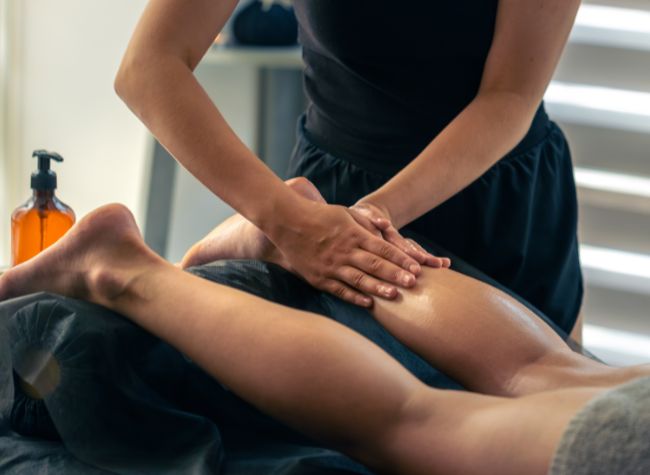
A trained therapist works on specific muscle groups using controlled pressure, stretching and tissue manipulation. The goal is not only comfort, but restoration of muscle efficiency. By improving blood circulation and releasing fascial restrictions, the therapy prepares the body to move with greater freedom and strength.
For active individuals in Mumbai balancing demanding schedules with training routines, this structured support can make a measurable difference.
Benefits of Sports Massage Therapy for Muscle Repair
The core benefits of sports massage therapy revolve around tissue repair and muscular efficiency. During exercise, microscopic tears develop within muscle fibres. These are natural and necessary for growth. However, without proper recovery, inflammation and stiffness increase.
Massage stimulates blood flow to affected areas. Increased circulation delivers oxygen and nutrients essential for repair. At the same time, it assists in removing metabolic waste such as lactic acid.
This results in:
- Reduced delayed onset muscle soreness
- Faster muscle rebuilding
- Improved tissue elasticity
- Better range of motion
Sports Massage for Muscle Recovery and Reduced Fatigue
When people search for sports massage for muscle recovery, they are usually dealing with persistent tightness or slow recovery after workouts.
Muscle fatigue accumulates when tissues remain contracted for long periods. Sports massage interrupts this cycle by loosening contracted fibres and restoring normal muscle length.
Improved muscle elasticity allows:
- Quicker return to training
- Less stiffness the following day
- Reduced risk of strain
- Improved endurance capacity
Athletes who schedule consistent sessions notice that their recovery window shortens. Instead of waiting days to feel normal again, they return to peak condition faster.
How Sports Massage Improves Performance
A common question is how sports massage improves performance. The answer lies in biomechanics.
Tight muscles restrict movement. Restricted movement reduces power. When therapists release tension and improve flexibility, muscles contract and extend more efficiently.
Performance benefits include:
- Greater stride length for runners
- Improved lifting posture for gym enthusiasts
- Better agility for field sports
- Increased joint stability
- Enhanced coordination
Muscle tension relief directly impacts performance output. When the body moves freely, it conserves energy and produces force more effectively.
For individuals searching for sports massage therapy in mumbai, this performance advantage often becomes the deciding factor.
Sports Massage for Runners and Active Lifestyles
Sports Massage for Runners plays a critical role in maintaining lower limb health. Running creates repetitive impact stress on calves, hamstrings, quadriceps and hip flexors.
Without intervention, tightness develops gradually and affects stride efficiency.
Targeted sports massage helps:
- Prevent shin splints
- Reduce calf tightness
- Improve hip flexibility
- Support knee alignment
- Enhance stride rhythm
Active professionals in Mumbai who participate in marathons or weekend cycling events increasingly incorporate sports massage into their routine. It allows them to train consistently without interruption.
Difference Between Deep Tissue and Sports Massage
Many clients struggle to understand the difference between deep tissue and sports massage. Although both involve firm pressure, their objectives differ.
| Feature | Sports Massage Therapy | Deep Tissue Massage |
| Primary Goal | Improve athletic recovery and performance | Relieve chronic tension |
| Target Group | Athletes and active individuals | General population |
| Technique Focus | Sport specific muscle groups | Broad deep muscle layers |
| Timing | Pre or post event | Anytime for stress relief |
| Outcome | Increased flexibility and performance | Reduced general tightness |
Deep tissue massage focuses on overall tension relief. Sports Massage Therapy is strategic and tailored to physical activity patterns.
Understanding this difference helps individuals choose the most effective treatment for their goals.
Sports Injury Recovery and Active Recovery Techniques
Minor strains and muscle fatigue respond positively to structured therapy. Sports injury recovery improves when treatment focuses on circulation and controlled muscle activation.
Sports massage complements active recovery techniques such as guided stretching and mobility drills. Together, they restore balance and reduce inflammation.
Therapists may incorporate:
- Trigger point therapy
- Assisted stretching
- Fascia release
- Muscle activation sequences
This structured method supports safer movement and reduces the risk of recurring discomfort.
It is important to remember that sports massage supports recovery but does not replace medical care for severe injuries
Choosing the Right Sports Massage Therapy in Mumbai
When exploring sports massage therapy in mumbai, expertise should guide your decision. Proper technique requires anatomical knowledge and experience with sport-specific stress patterns.
A qualified therapist evaluates muscle imbalances, adjusts pressure according to tolerance and tailors each session to your activity level. Hygiene standards and structured consultation also reflect professionalism.
Selecting a centre that understands performance-driven recovery ensures that your therapy session contributes meaningfully to your training journey.
Integrating Sports Massage into a Performance Routine
Consistency produces the best results. Most active individuals benefit from sessions every two to four weeks depending on training intensity.
Pre-event sessions prepare muscles by improving circulation and flexibility. Post-event sessions assist recovery and reduce soreness.
By integrating Sports Massage Therapy into your schedule, you create a structured recovery cycle that supports sustainable performance.
Elevate Your Recovery Strategy
Training challenges the body. Intelligent recovery strengthens it.
Sports Massage Therapy is not a luxury service. It is a structured approach to muscle care, flexibility enhancement and performance improvement. For runners, gym members and active professionals in Mumbai, it bridges the gap between effort and achievement.
When guided by trained therapists who understand performance science, recovery becomes strategic rather than reactive. Centres such as Fem Spa focus on personalised Sports Massage Therapy designed to support muscle efficiency and long term physical resilience.
Investing in professional recovery allows your body to move with strength, flexibility and confidence.
Frequently Asked Questions
Q1. What are the benefits of sports massage therapy?
Answer: The main benefits include improved muscle recovery, enhanced flexibility, reduced soreness and better circulation. It also supports injury prevention and consistent athletic performance.
Q2. How often should I get sports massage therapy?
Answer: Active individuals generally benefit from sessions every two to four weeks. Athletes with intense training schedules may require more frequent sessions.
Q3. Is sports massage effective for muscle tension relief?
Answer: Yes. Sports massage targets tight fibres and improves blood flow, which reduces stiffness and restores muscle elasticity.
Q4. What is the difference between deep tissue and sports massage?
Answer: Deep tissue massage focuses on general tension relief. Sports massage is activity-specific and designed to improve recovery and performance.
Q5. Can sports massage for runners prevent injuries?
Answer: It reduces the risk by improving flexibility and correcting minor imbalances. However, proper training techniques remain essential.