
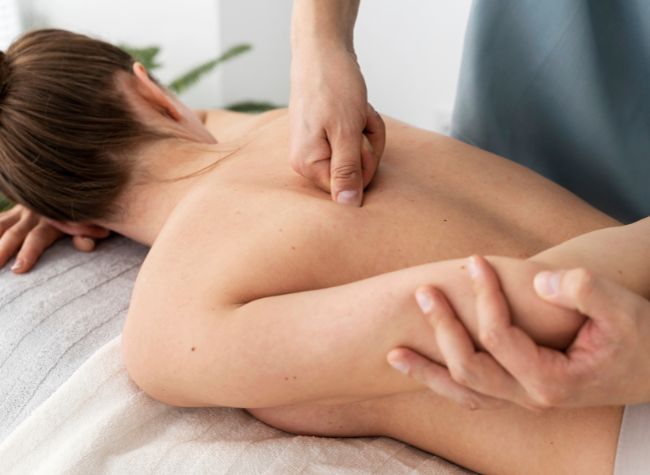
Massage therapy for muscle tension is widely searched by people in Mumbai who deal with stiffness, tight shoulders, and back discomfort caused by long working hours and daily travel. Many still rely on outdated ideas about how massage works, which often leads to confusion or delayed care.
Muscle tension builds slowly and affects how the body moves and feels throughout the day. With the right understanding, massage can support muscle recovery and reduce discomfort in a practical and consistent way. This article explains what is real, what is not, and how to approach massage therapy with clarity.
What Causes Muscle Tension
Muscle tension develops when muscle fibres remain contracted for long periods. In Mumbai, daily habits often contribute to this pattern. Long desk hours, frequent phone use, and travel fatigue all play a role.
Stress also affects the body physically. When the mind stays under pressure, muscles tend to tighten, mainly around the neck and shoulders. Over time, this creates stiffness that does not resolve on its own.
Posture is another factor. Sitting without proper support or sleeping in an awkward position places continuous strain on specific muscle groups. This leads to tightness that gradually turns into discomfort.
Understanding what causes muscle tension helps in selecting the right type of massage and improving long term results.
Massage Therapy for Muscle Tension Explained
Massage Therapy for Muscle Tension focuses on applying controlled pressure to soft tissues to release tight areas and improve circulation. The aim is not only to relax muscles but also to improve how they function during daily activities.
At Fem Spa, therapists assess where the tension is concentrated and adjust pressure accordingly. Some areas may require deeper work, while others respond better to gentle techniques.
As blood flow improves, muscles receive oxygen and nutrients more effectively. This process supports recovery and reduces stiffness. Regular sessions also help maintain flexibility, which is often reduced due to inactive routines.
Massage works best when viewed as part of ongoing care rather than a one time solution.
Massage Myths and Facts You Should Know
Many beliefs about massage continue to circulate, often creating confusion. Addressing these helps set realistic expectations.
Does Massage Remove Toxins Myth
The idea that massage removes toxins directly from the body is not accurate. The body already handles waste removal through organs such as the liver and kidneys. Massage supports circulation, which helps these natural processes function smoothly.
Can Massage Break Up Knots Myth
Muscle knots are tight areas within fibres. Massage does not break them physically. Instead, it applies pressure that helps the fibres relax and return to a normal state. This is why gradual improvement is more common than instant change.
Is Massage Only for Relaxation Myth
Massage is often linked with relaxation alone. While it does calm the body, it also plays a practical role in reducing stiffness, improving movement, and managing discomfort related to daily strain.
Does Massage Improve Circulation Facts
Improved circulation is a well established effect of massage. Better blood flow supports healing and reduces the feeling of tightness in affected muscles.
Types of Massage for Muscle Pain
Different techniques address different levels of muscle tension. Understanding these types helps in choosing what suits your condition.
Deep tissue massage targets deeper muscle layers and is suitable for long standing stiffness and muscle knots. It uses slower strokes and focused pressure.
Swedish massage uses lighter pressure and helps in reducing mild tension. It is often chosen by individuals new to massage therapy.
Trigger point therapy focuses on specific tight areas. The therapist applies direct pressure to release localised tension.
Aromatherapy massage combines gentle techniques with essential oils. It is useful when stress contributes to muscle tightness.
At Fem Spa, the choice depends on how intense the stiffness is and how the body responds during the session.
Benefits of Massage Therapy for Muscles
The benefits of massage therapy for muscles extend into daily comfort and mobility. Regular sessions can improve how the body feels and functions over time.
Massage supports flexibility by loosening tight fibres. This allows better movement without discomfort. It also helps reduce repeated strain that builds from daily routines.
Improved circulation contributes to faster muscle recovery. Many people notice reduced tightness in areas such as the shoulders and lower back after consistent sessions.
Better posture is another outcome. When muscles are less tight, the body maintains a more natural alignment. This reduces unnecessary pressure on joints and surrounding tissues.
Sleep quality may also improve as the body feels more relaxed and less restricted.
Choosing the Best Massage for Muscle Stiffness
Selecting the best massage for muscle stiffness depends on how severe the tension is and which areas are affected.
| Condition | Suitable Massage | Suggested Frequency |
| Mild stiffness | Swedish massage | Once a week |
| Moderate tension | Deep tissue massage | Weekly |
| Localised knots | Trigger point therapy | One to two times weekly |
| Stress related tightness | Aromatherapy massage | Weekly |
A proper assessment helps match the technique with the condition. At Fem Spa, therapists guide this decision based on muscle response and comfort level.
Massage for Muscle Knots: What to Expect
Massage for muscle knots focuses on releasing tight bands within the muscle. These areas may feel tender when pressed and often appear in the neck, shoulders, and upper back.
During the session, the therapist applies steady pressure to the knot. This may create slight discomfort, but it usually leads to relief as the muscle relaxes. Movement often improves after the session.
Consistency plays an important role. Occasional sessions may provide temporary relief, while regular care helps reduce recurrence.
When to Consider Spa Massage for Muscle Tension
Many people wait until stiffness becomes difficult to manage. Early attention helps prevent long term discomfort.
You may benefit from spa massage for muscle tension if you experience:
- Tightness that does not improve with rest
- Limited movement in the neck or shoulders
- Discomfort after long working hours
- Frequent muscle fatigue
Regular sessions support muscle balance and help maintain comfort in daily routines.
Why Fem Spa is a Preferred Choice in Mumbai
Fem Spa focuses on practical solutions for muscle tension through trained therapists and structured techniques. The approach is based on understanding how muscle stiffness develops in daily life and addressing it with suitable methods.
The environment supports relaxation, but the primary focus remains on muscle relief and improved mobility. This balance makes it suitable for individuals looking for more than temporary comfort.
FAQs
Q1. What is Massage Therapy for Muscle Tension?
Answer: It is a method of applying pressure to muscles to reduce tightness, improve circulation, and support better movement.
Q2. How often should I get massage for muscle knots?
Answer: Once a week works for mild tension. More frequent sessions may be needed for deeper knots.
Q3. What is the best massage for muscle stiffness?
Answer: Deep tissue massage and trigger point therapy are commonly used for stiffness in areas like the shoulders and back.
Q4. Does massage improve circulation facts or myth?
Answer: It is a fact. Massage increases blood flow, which supports muscle recovery and reduces tightness.
Q5. Can massage replace medical treatment?
Answer: Massage supports muscle relief but does not replace medical care for serious or persistent conditions.
Q6. What causes muscle tension in daily life?
Answer: Long sitting hours, stress, poor posture, and repetitive movements are common causes.
Q7. Is spa massage for muscle tension suitable for regular use?
Answer: Yes, regular sessions help maintain muscle flexibility and reduce recurring stiffness.